
Issue Brief by Taylor Stetka: The Growing Need for Canadian Arctic Maritime Security
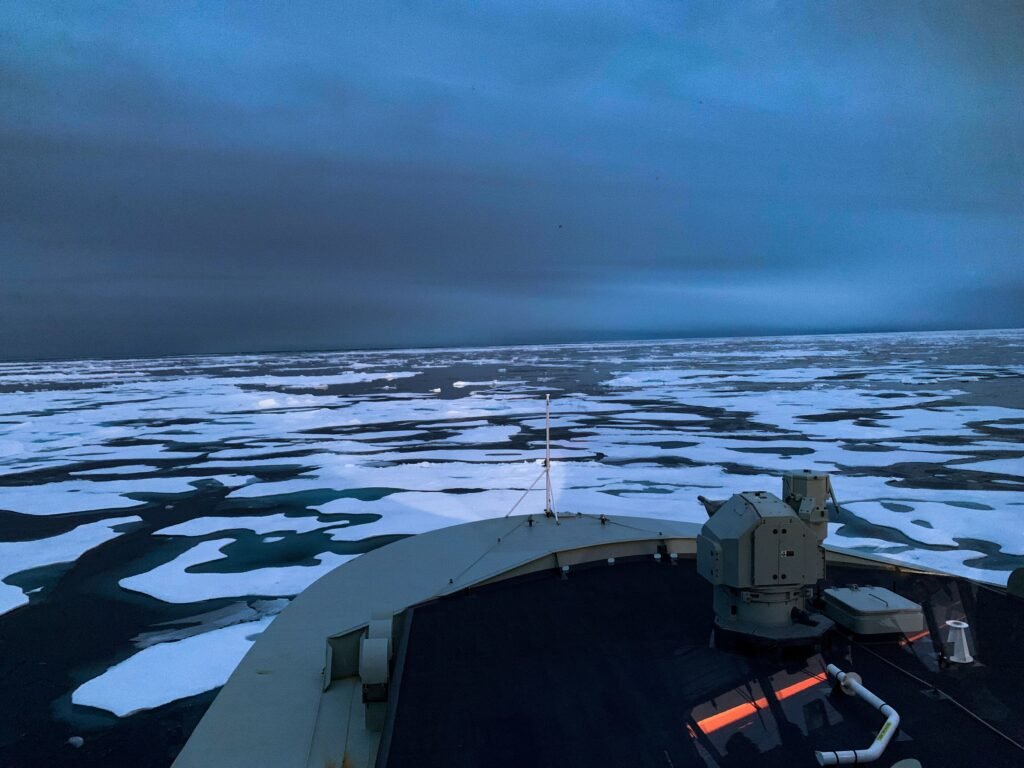
Canada’s Arctic is facing growing maritime security pressures as climate change reduces sea-ice coverage, expands vessel access, and exposes gaps in surveillance and infrastructure. This issue brief argues that Canada must strengthen Arctic defence capacity, search-and-rescue systems, and cooperation with northern and Indigenous communities to protect sovereignty and security.
Conversation with Dr. Alaa Al-Aridi: The U.S.-Israeli War with Iran, Article 2(4), and the Strain on International Law
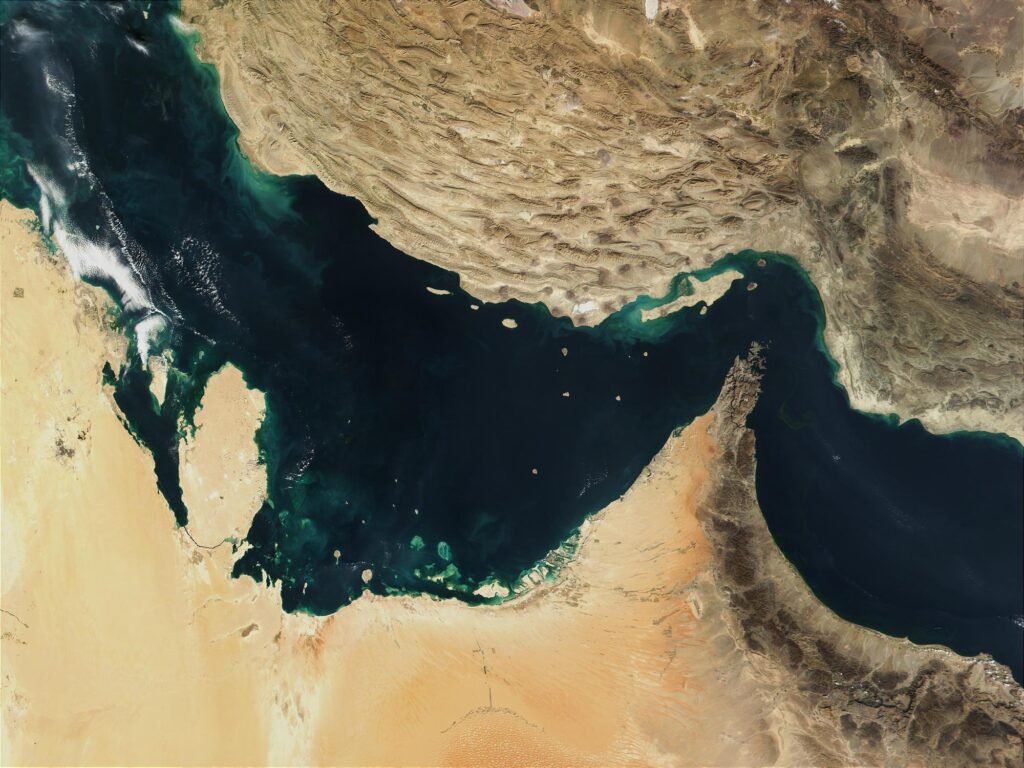
In this interview, Dan Prasuhn, Research Associate at Tessera, speaks with Dr. Alaa Al-Aridi, Professor of International Law, about the current U.S.-Israeli war with Iran and the wider regional escalation.
Analysis with Patrick Green, MSc: Corruption and Coercion – Why Myanmar’s Civil War Persists
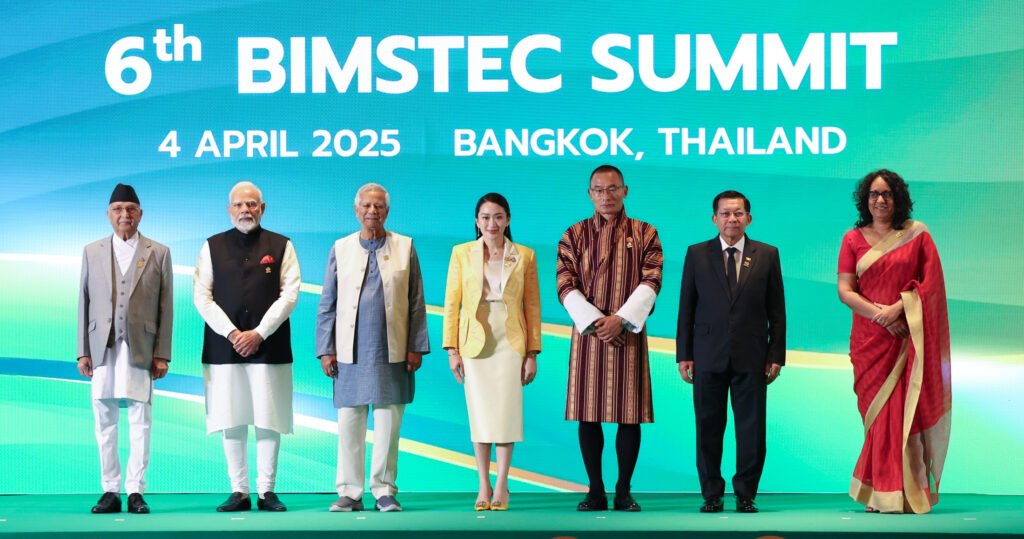
With Myanmar’s final election phase ending on January 26, 2026, this report argues that lasting stability depends less on the electoral process than on curbing the military’s corrupt revenue networks and coercive autonomy. Introduction: Corruption and Conflict within the Security Sector Corruption is often a significant factor in civil conflict dynamics: it generates grievances that […]
Conversations with Dr. Catherine Moez: An Interview

Catherine Moez is a postdoctoral researcher at the University of Leicester and King’s College London, currently working on a project on long-run public opinion on immigration in Europe. Previously (2024-2025), she was a postdoctoral fellow at the Center for the Politics of Feelings, a joint psychology-political science lab based at the School of Advanced Studies […]
Op-Eds with Tessera: Contrasting the Invasions of Panama and Venezuela under International Law
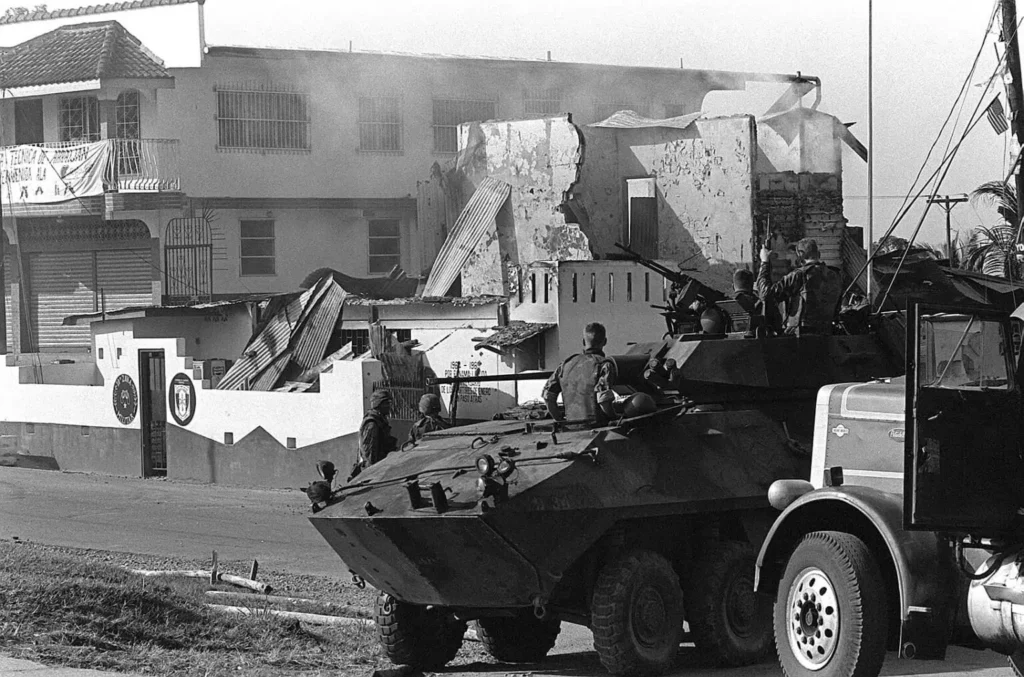
This op-ed compares the U.S. invasions of Panama and Venezuela to argue that both expose a recurring willingness to override international law in the name of national interest. It suggests that Venezuela reflects a further erosion of legal restraint and of the international order itself.
Analysis with Mani Nouri, PhD(c): No Going Back – Iran’s 2026 Revolutionary Uprising
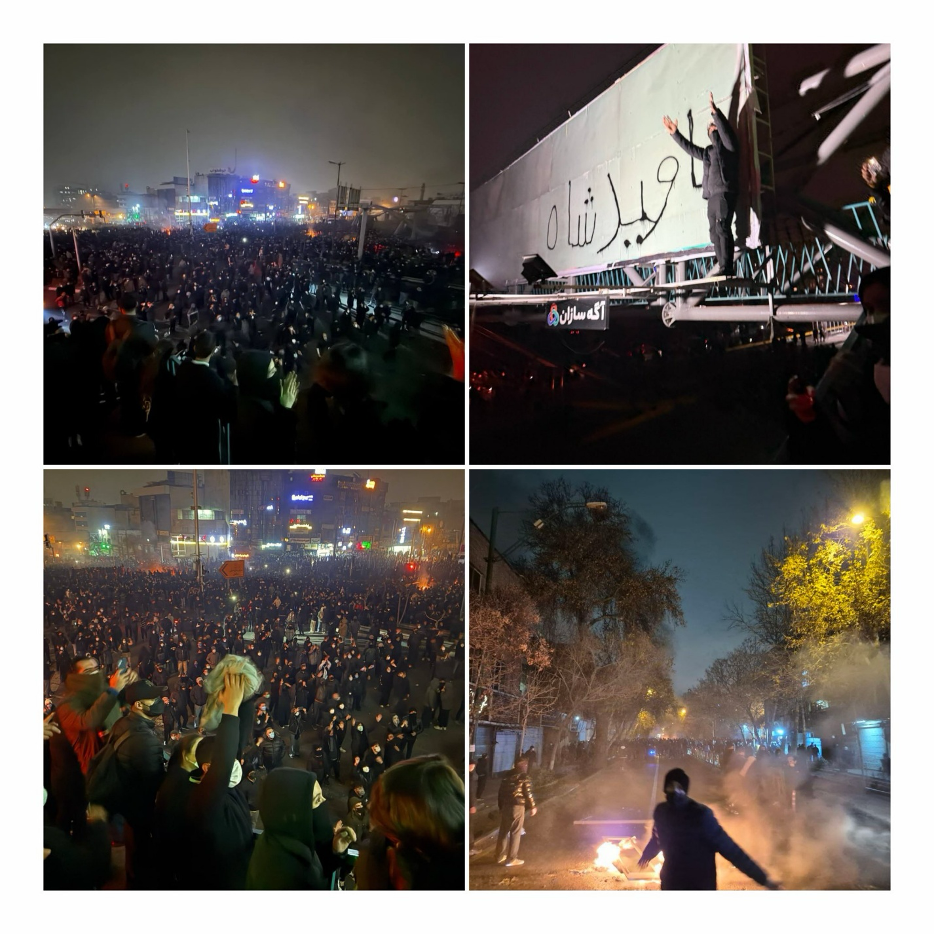
In this article, Mani Nouri examines the unfolding unrest in Iran as a revolutionary moment rather than a conventional protest movement. He argues that the convergence of mass popular anger, regime overreach, and regional geopolitical setbacks has created the most profound challenge to the Islamic Republic in decades.
Briefings with Tessera: “In the Nuclear Age, Failure Cannot be Repeated”- Jeffrey Sachs Warns the Security Council of Global Anarchy

“The UN was created to place international law above anarchy… If the kidnapping of a Head of State and the bombing of a sovereign country are tolerated, the message is that the law is optional and force is the true arbiter of international relations.” – J. Sachs
Briefings with Tessera: Canada’s Strategic Defense Transformation and Procurement Challenges

Canada is undergoing a fundamental strategic shift in its defense posture, moving from decades of minimal investment toward active modernization and increased continental security engagement. This transformation is driven by escalating threats from Russia and China, particularly in the Arctic, alongside evolving NATO commitments and Indo-Pacific security concerns. However, this strategic reorientation faces significant challenges: a complex multi-departmental procurement system that generates delays and cost overruns, transparency gaps in military-industrial integration with the United States, and the impacts of recent amendments to the U.S. Buy American Act on non-defense sector access. Concurrently, the Department of National Defence and Canadian Armed Forces (DND/CAF) are addressing
Analysis with PhD(c) Justinas Stankus: The Strategic Imperative for Western Engagement with Myanmar’s Democratic Forces

Myanmar’s sovereignty has been fundamentally fragmented since the military coup of February 2021, leading to a complex multi-polar conflict and Balkanization of the country along ethnic and religious lines. While the military junta, enabled by China, maintains control of the capital Naypyidaw and major urban centers, recent advances by opposition forces are significant. Various democratic resistance forces, commonly identified as the People’s Defense Forces (PDF), often acting alongside established Ethnic Armed Organizations (EAOs), have seized control of substantial territory, including some border regions with India, Bangladesh, China, and Thailand. The State Administration Council (SAC) controls approximately one-third of Myanmar’s territory—primarily urban centers and strategic infrastructure—while opposition forces hold significant portions of the remainder, though estimates vary and the situation remains fluid.⁵ This creates a critical but time-sensitive window of opportunity for Western states to recalibrate their approach to this political crisis.
Conversations with Dr. Salam Alsaadi: An Interview

A Raphael Morrison Dorman Postdoctoral Fellow, Weatherhead Center for International Affairs, Harvard University. Salam Alsaadi holds a PhD in political science from the University of Toronto. He focuses on authoritarianism and contentious politics in divided societies, with a regional emphasis on the Middle East and North Africa. His work has appeared in American Political Science […]