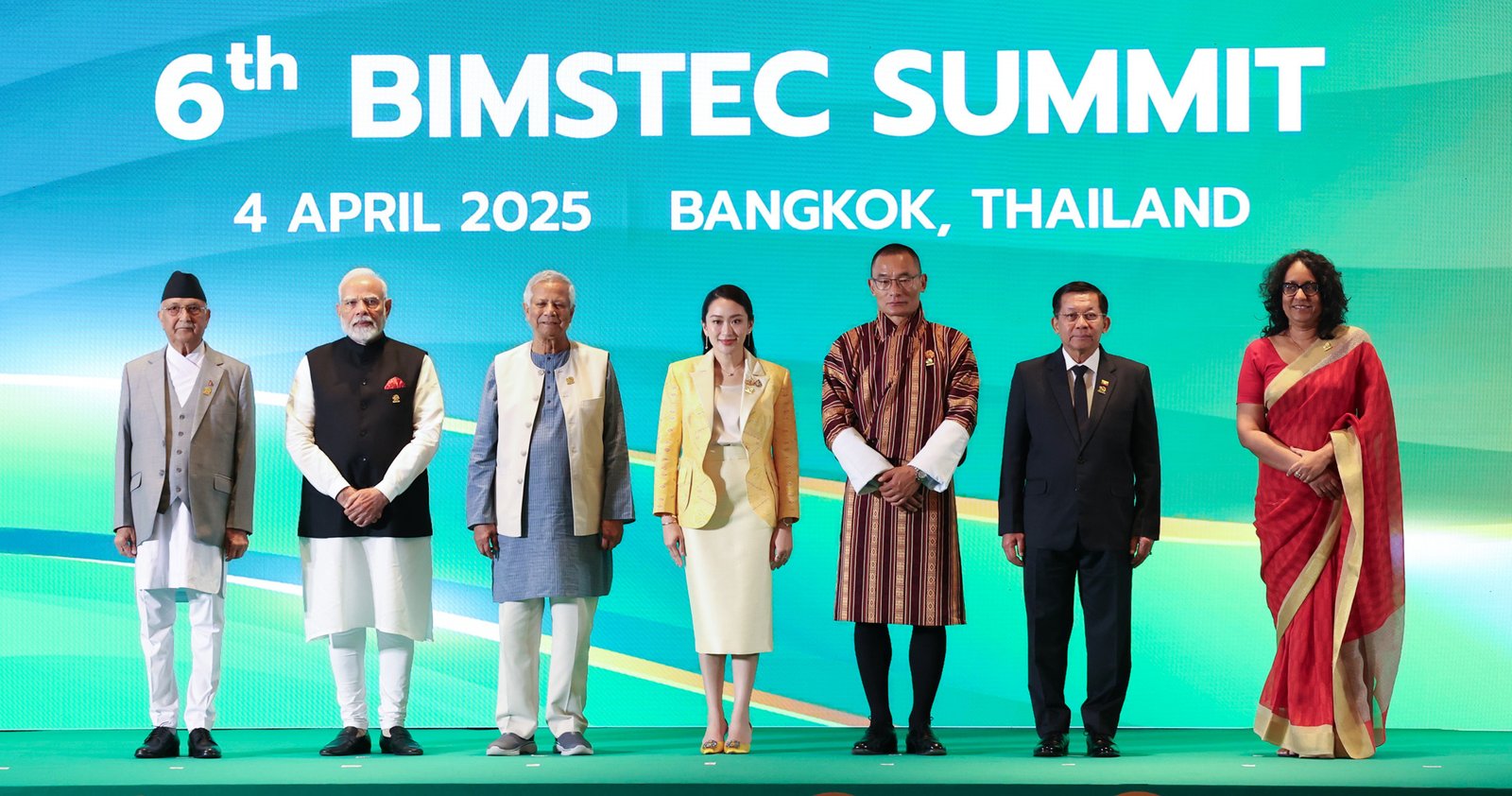
With Myanmar’s final election phase ending on January 26, 2026, this report argues that lasting stability depends less on the electoral process than on curbing the military’s corrupt revenue networks
A Postdoctoral Researcher, University of Leicester and King’s College London. Catherine Moez is a postdoctoral researcher at the University of Leicester and King’s College London, currently working on a project
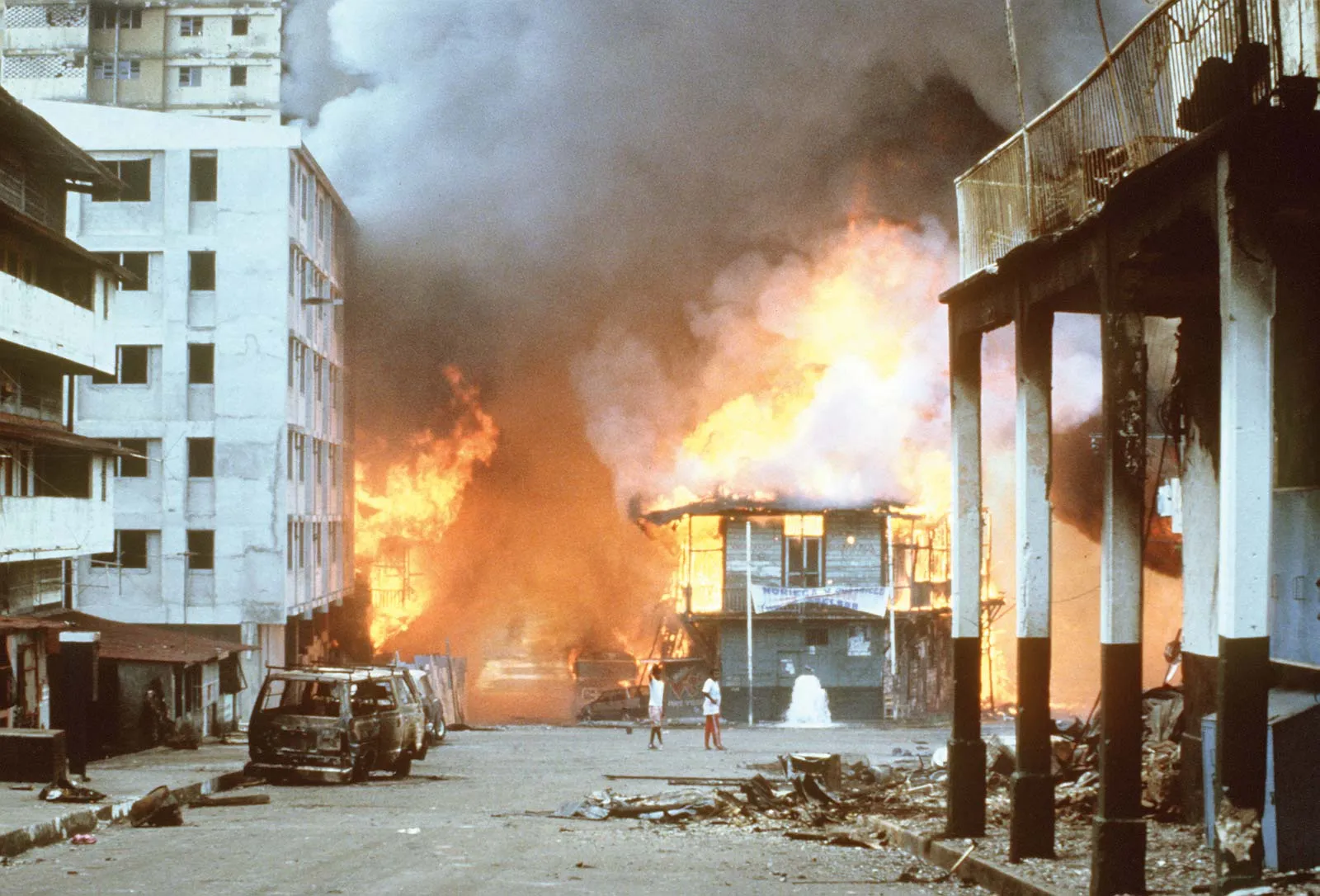
Photo: Britanica U.S. invasion of Panama Buildings engulfed in flames following the U.S. invasion of Panama, December 1989. https://www.britannica.com/topic/United-States-invasion-of-Panama By: Dan Prasuhn & Arash Aslan Beigi While the US was
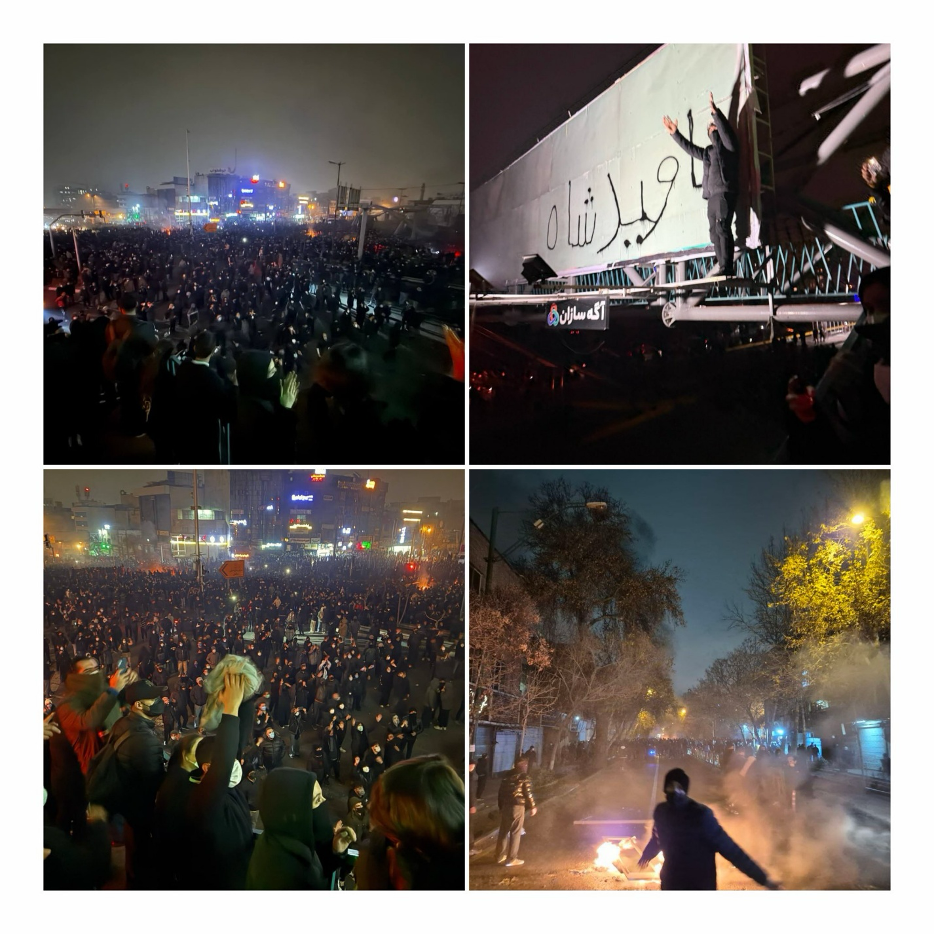
Author Mani Nouri is a Tessera contributor with in-depth knowledge of Iran’s political context. Disclaimer: The views expressed in this article are solely those of the author and do not
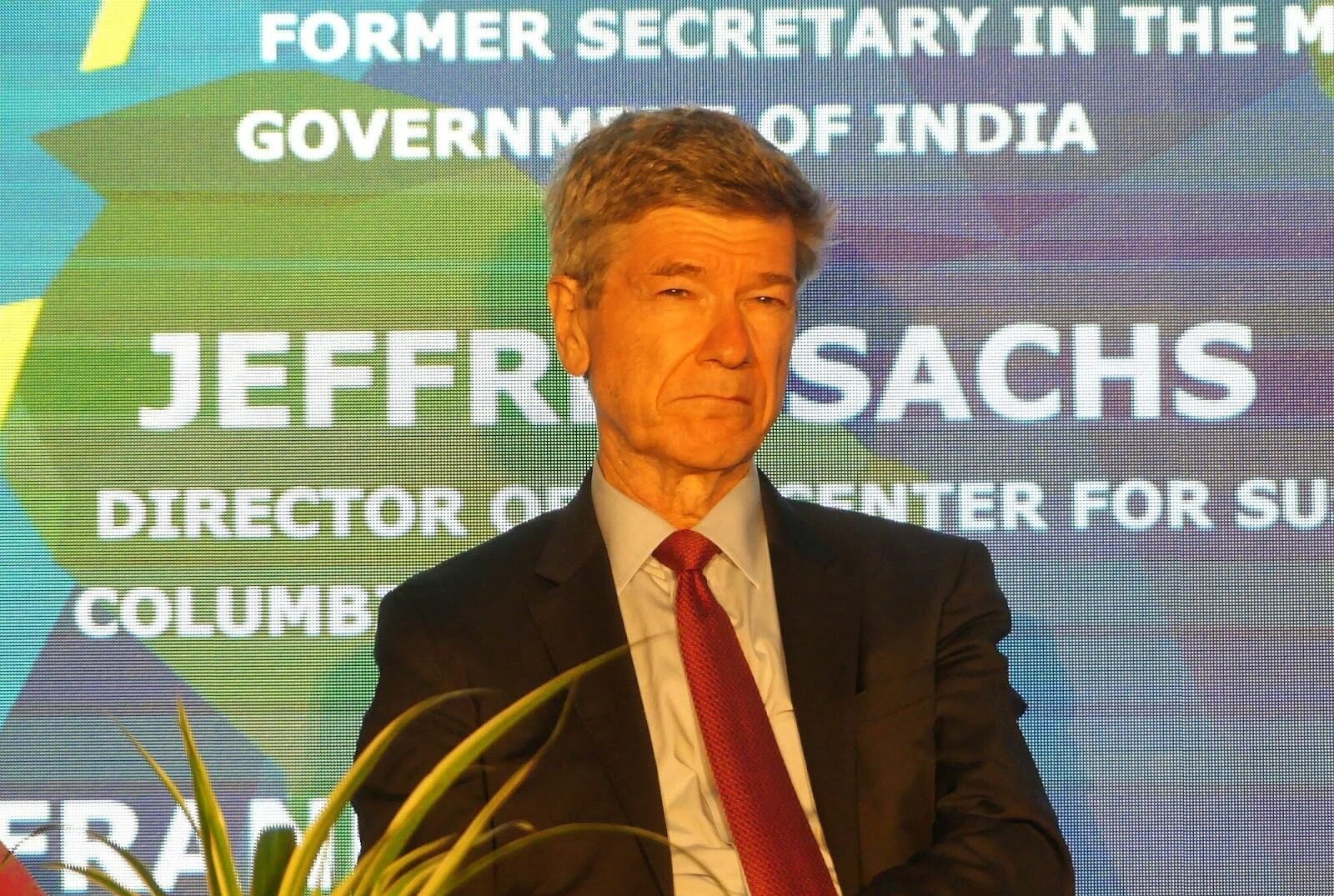
Speech delivered: January 5, 2026, United Nations Security Council Photo: Jeffrey Sachs. Credit: Elekes Andor / Wikimedia Commons, licensed under CC BY-SA 4.0. “The UN was created to place international
Canada is undergoing a fundamental strategic shift in its defense posture, moving from decades of minimal investment toward active modernization and increased continental security engagement. This transformation is driven by
Myanmar's sovereignty has been fundamentally fragmented since the military coup of February 2021, leading to a complex multi-polar conflict and Balkanization of the country along ethnic and religious lines. While
A Raphael Morrison Dorman Postdoctoral Fellow, Weatherhead Center for International Affairs, Harvard University. Salam Alsaadi holds a PhD in political science from the University of Toronto. He focuses on authoritarianism